Tags
Austria, Bl. Karl of Austria, christendom, Holy Roman Empire, House of Hapsburg, Imperial History, Karl of Austria, Politics, Prophecy

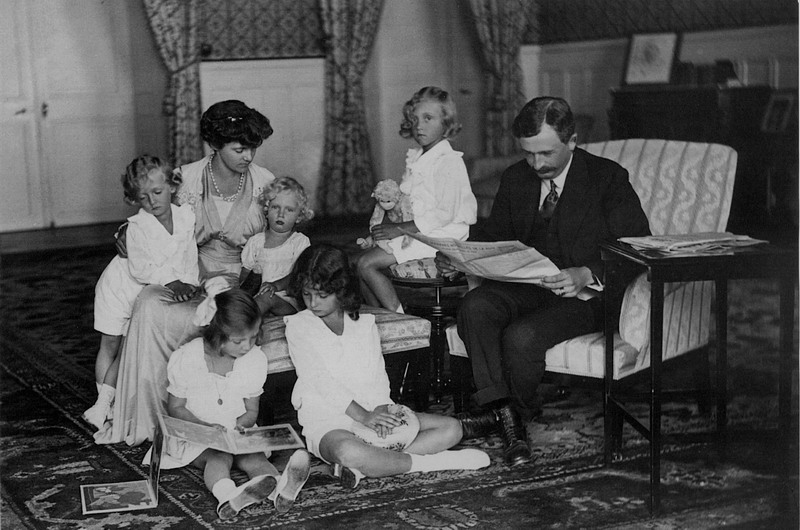
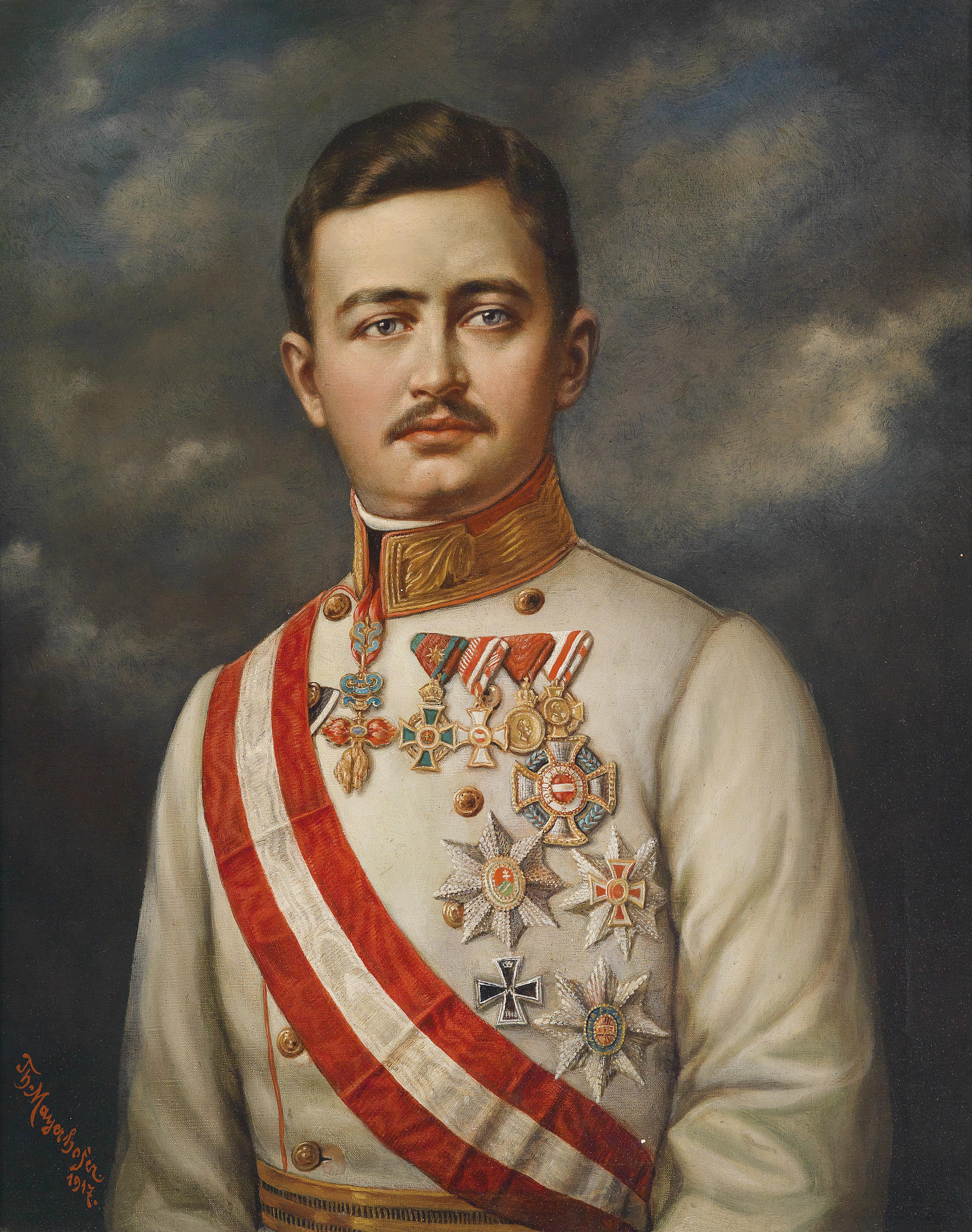
The decisive task of Christians consists in seeking, recognizing and following God’s will in all things. The Christian statesman, Charles of Austria, confronted this challenge every day. To his eyes, war appeared as “something appalling”. Amid the tumult of the First World War, he strove to promote the peace initiative of my Predecessor, Benedict XV.
From the beginning, the Emperor Charles conceived of his office as a holy service to his people. His chief concern was to follow the Christian vocation to holiness also in his political actions. For this reason, his thoughts turned to social assistance. May he be an example for all of us, especially for those who have political responsibilities in Europe today!- Pope St. John Paul II
These few sentences eloquently express the heroic life of Blessed Karl, the Last Emperor and King. Pope Saint Pius X said of him that he was “Heaven’s reward to Austria for all her faithfulness to Pope and Church.” He took his sacred duty as King-Emperor as it was meant to be taken. He magnificently conveyed the principle of Catholic Kingship: “I have done my duty, as I came here to do. As crowned King, I not only have a right, I also have a duty. I must uphold the right, the dignity and honor of the Crown…. For me, this is not something light. With the last breath of my life I must take the path of duty. Whatever I regret, Our Lord and Savior has led me.”

 After the death of Conradin, the grandson of the heretic Frederick II, the Empire was thrown into a lawless chaos now called the Interregnum. Men forsook the laws that had governed them and turned to robbery and violence, especially in the region of Southern Swabia (now Switzerland) near the High Rhine and the Aar. Below follows a proximate translation of the history of Count Rudolf IV von Hapsburg, taken from the Chronicon Helveticum (which in turn was taken from earlier sources such as the Chronik der Königsfelden ):


 The War for Christendom